
Proteins are one of the key macronutrients needed for the normal functioning of our body. However, the question of how much protein we really need on a daily basis can be confusing as recommendations are often different and depend on individual factors. In this text, we will clarify how much protein is optimal, as well as what are the best options for obtaining this important nutrient.
How Much Protein Do We Really Need Every Day?
Why Are Proteins Important?
Proteins play a key role in building and repairing tissues, muscles, skin and enzymes in the body. They are also important for the function of hormones and the immune system. For example, getting an adequate amount of protein helps reduce appetite, supports metabolism and helps maintain muscle mass, especially in people who are physically active or the elderly.
How Much Protein Do We Need?
The general recommendation for the average adult is about 0.8 grams of protein per kilogram of body weight. However, for those who are more physically active or want to build muscle mass, 1.2–2 grams per kilogram may be needed.
Here's a simple example: if you weigh 70 kg, the minimum daily recommendation for you would be 56 grams of protein, but if you play sports or work to strengthen your muscles, aim for 84–140 grams of protein.
Best Sources of Protein
Chicken and turkey: Lean meat contains a high percentage of protein without added fat.
Eggs: They contain all the essential amino acids, making them a perfect source of protein.
Fish: Rich in protein and omega-3 fatty acids.
Dairy: Yogurt, cheese, and milk are good sources of protein, especially Greek yogurt.
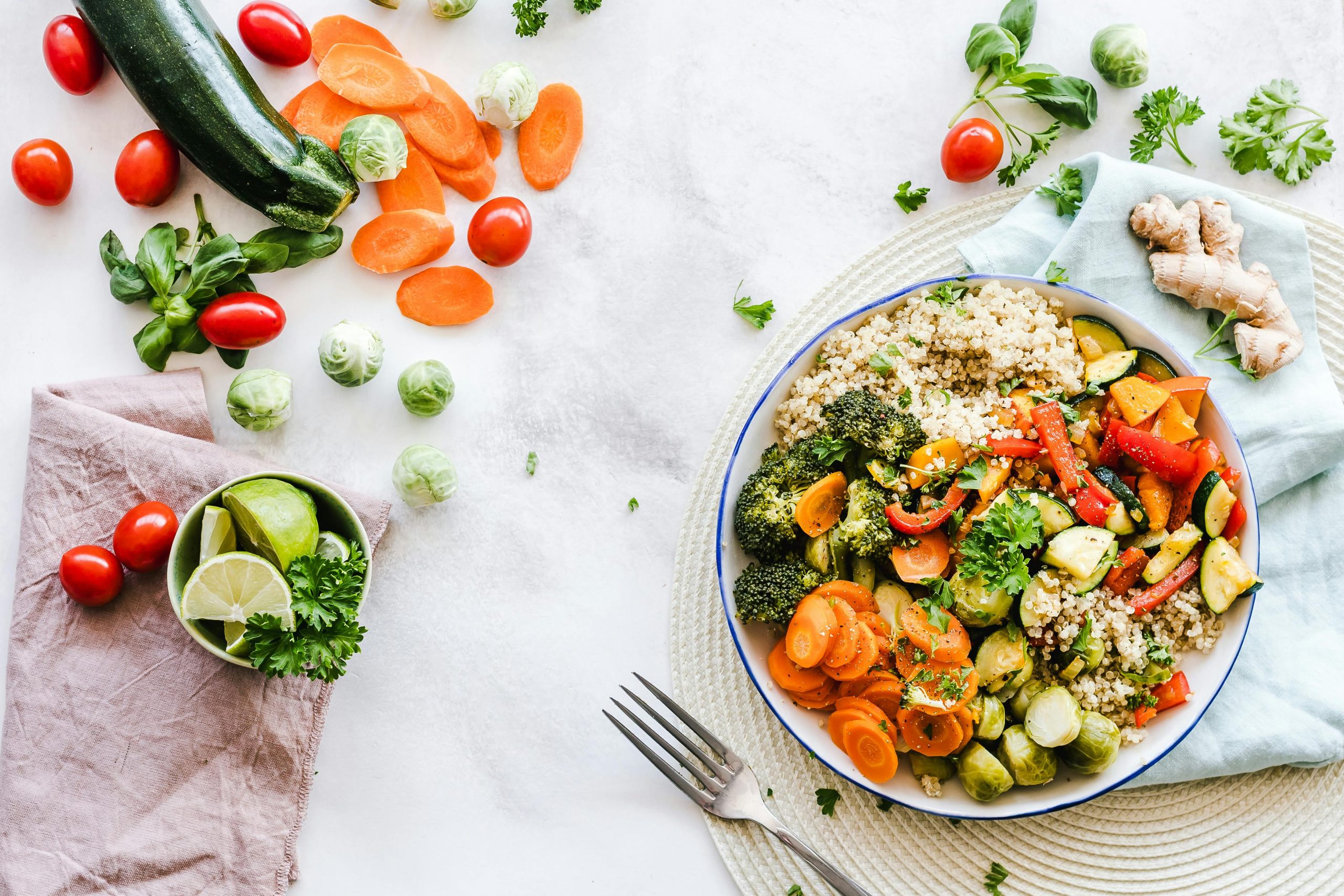
Plant sources: Lentils, quinoa, peas, beans, and nuts offer quality plant-based protein and fiber.
Conclusion
Adjust your protein intake to your needs, activities and goals. Regular intake of high-quality protein will not only support muscle mass, but also support satiety and overall health. If you are not sure how to include enough protein in your diet, consult a nutritionist for personalized advice and recommendations.
Replacing sugar with complex carbohydrates from whole grains, fruits and vegetables will help you achieve better mental health as well as physical energy. You can add these foods to your diet through simple changes – such as replacing white pasta with whole grain pasta, or eating more fresh fruit instead of sweets.
Probiotics and Mental Health
You may not have known, but the gut and brain are connected through the so-called "gut-brain axis." Healthy intestinal flora contributes to the production of serotonin, known as the "happiness hormone", which directly affects our mood. Probiotics – good microorganisms that help maintain healthy flora – can improve mental health and reduce symptoms of depression and anxiety. Foods such as yogurt, kefir, sauerkraut and miso are rich in probiotics and can contribute to better moods.
In addition to probiotics, fiber also plays a key role in supporting gut flora. Fiber from fruits, vegetables and grains feeds beneficial bacteria in the gut, which in turn support our immune system and mental well-being.
Mental health is complex, but proper nutrition can be a powerful tool for improving mood, concentration and energy. Eating foods rich in antioxidants, omega-3 fatty acids, probiotics and vitamins can help you feel better and more stable. You can gradually contribute to better mental health by making dietary changes, and the key is to make choices that are sustainable and delicious.